
Native iOS Development
Swift and SwiftUI applications built to Apple’s Human Interface Guidelines, with full access to platform capabilities and the smoothest possible performance.
Native and cross-platform mobile app development, from the first sketch to a live listing on the App Store and Google Play.
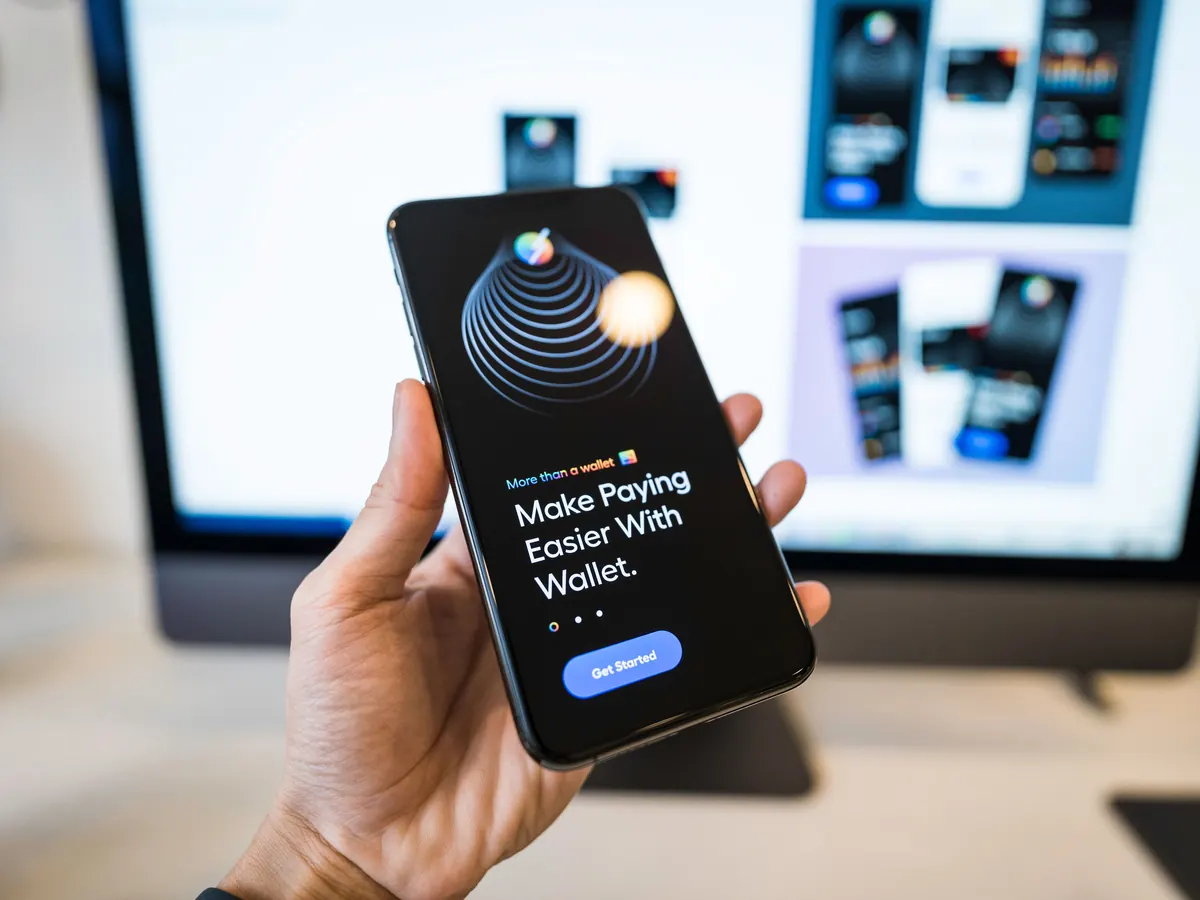
Built for day thirty
Shipping version one is only the start. A successful app is one people still open on day thirty, running on code you can keep improving without a rewrite.
We start with the job your app does for the user and design the shortest possible path to it. Then we build on the stack that fits your budget, timeline and roadmap: native Swift and Kotlin where performance or deep platform integration demands it, Flutter or React Native where a shared codebase makes better commercial sense.
What we build
End-to-end product delivery, or just the part you need.
Swift and SwiftUI applications built to Apple’s Human Interface Guidelines, with full access to platform capabilities and the smoothest possible performance.
Kotlin and Jetpack Compose apps following Material Design, tested across the device and OS-version fragmentation that Android actually has.
Flutter and React Native builds that deliver both platforms from one codebase, usually at a lower build and maintenance cost than two separate native apps.
Authentication, real-time databases, push notifications, payment processing and scalable cloud infrastructure on Firebase, AWS or your own stack.
Shopping apps with catalog browsing, cart, payment gateway integration, order tracking and loyalty mechanics.
Rebuilding or refactoring legacy apps, migrating off deprecated frameworks and bringing old codebases back to current store requirements.
Native or cross-platform
Native and cross-platform development both have their place. Which one fits comes down to your budget, your timeline and the features you plan to add next.
With a cross-platform build, one team ships each feature to both stores from a single codebase. Going native means a separate codebase for iOS and Android, so there is more to build and maintain, but nothing on the device is out of reach.
We make a specific recommendation during discovery and spell out the trade-off in cost and capability before any code is written.
Testing & quality
You should not have to wait until launch day to find out how your app feels in your hand.
At the end of each two-week sprint we publish an internal test build through TestFlight on iOS and the Play Console on Android. You and your colleagues install it like any other app, tap through the latest screens and tell us what feels wrong while it is still quick to change.

Our process
Six stages, with a working build in your hands early.
Requirements, user personas, feature prioritization and a clear MVP definition, so everyone agrees on what version one must do.
User flows, UI design and a clickable prototype you can test with real users before development budget is committed.
Two-week sprints against the agreed scope, each one ending in a build you can install and try.
Each build goes through device and OS-version checks before it reaches you, and your feedback shapes the next sprint.
Store submission, privacy declarations and review handling, followed by close monitoring of crashes and early usage.
An iteration cycle driven by analytics and user feedback, plus the updates each new iOS and Android release requires.
Why choose us
Four things that decide whether an app project succeeds or stalls.
We will tell you which features to cut from version one. An over-scoped first release is a common reason app projects stall.
We manage the review process with Apple and Google, including any rejection back-and-forth, so you are not left decoding store guidelines on your own.
Documented, tested code your own team or another agency can pick up without a rewrite.
The app, the API it talks to and the web platform or CRM behind it can be planned together, so nothing is designed in isolation.
FAQ
What to expect on budget, timelines, store submission and ownership before you commit to a build.
Cost depends mainly on scope. A focused MVP with a handful of core features and a backend is the leanest starting point. Real-time features, payments, multiple user roles and heavy integrations add to the build.
After discovery you get a fixed-price quote broken down by feature, so you can decide what to defer to a later release.
A well-scoped MVP usually takes around twelve to sixteen weeks from kick-off to store submission: roughly three weeks of design, eight to eleven weeks of development and testing, then one to two weeks for submission and review. Larger products take longer.
You will have a testable build in your hands from around week four.
Yes, completely. That includes developer account setup if you need it, store listing copy, keyword research for app store optimization, screenshot and preview video design, privacy declarations, the submission itself and handling any rejection from Apple’s or Google’s review process.
Ninety days of support is included free: bug fixes, minor adjustments and store compliance issues. After that, you can move to a maintenance plan covering OS compatibility updates, monitoring and a monthly allocation of development hours for new features.
Apps need ongoing work, because Apple and Google release major iOS and Android updates every year.
Yes, entirely, once the final invoice is settled. That includes the full repository, backend code, design files, documentation and store listings transferred to your own developer accounts. We never hold an app hostage through account ownership.
Book a free discovery call. We will pressure-test the concept, give you a realistic scope and timeline, and tell you honestly if we think it needs rethinking before you spend anything.