

Website Design
Research-led UI/UX design that earns trust quickly and guides visitors to the action you care about.
- Wireframes and interactive prototypes
- Conversion-focused layouts
- Design systems and brand kits
Website and software development across design, web, WordPress, mobile and CRM engineering, each built to be fast, accessible, secure and search-ready.

Design & development
Most projects need more than one discipline, so we scope them as one piece of work.
A new marketing site needs design and development. An online store needs a platform your team can run day to day. A growing sales team may need a CRM first and a mobile app later. Planning those pieces together means the design, the code and the data are built to fit each other from the first sprint.
Online stores are part of this work too. We build them on Shopify or WooCommerce, or as custom storefronts, as part of our custom web development service.
Match your situation to the service that usually fits it best.
Our services
Pick the service closest to your project to see its scope, process and common questions. If the work turns out to need a second service, we will say so early.
Research-led UI/UX design that earns trust quickly and guides visitors to the action you care about.
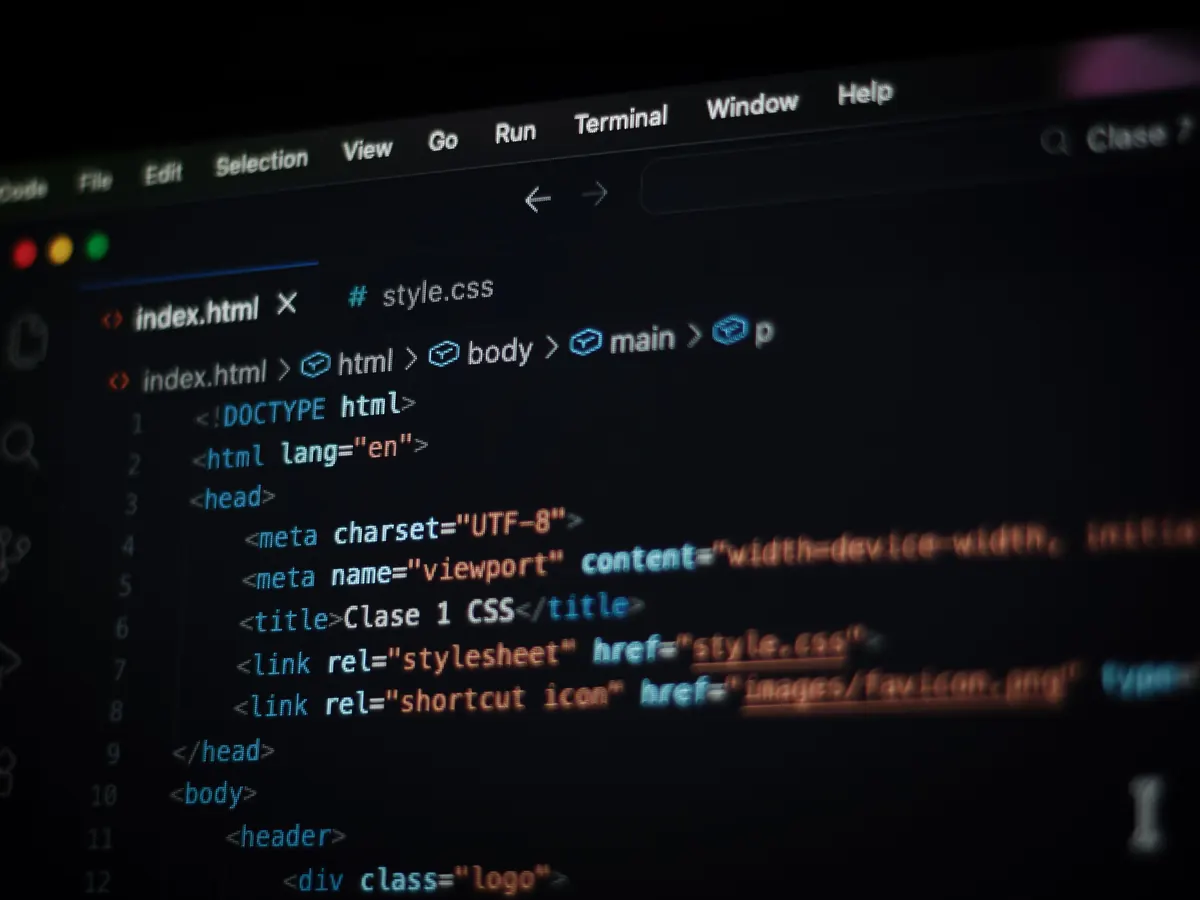
Custom front-end and back-end engineering on modern stacks, from marketing sites and online stores to web applications.
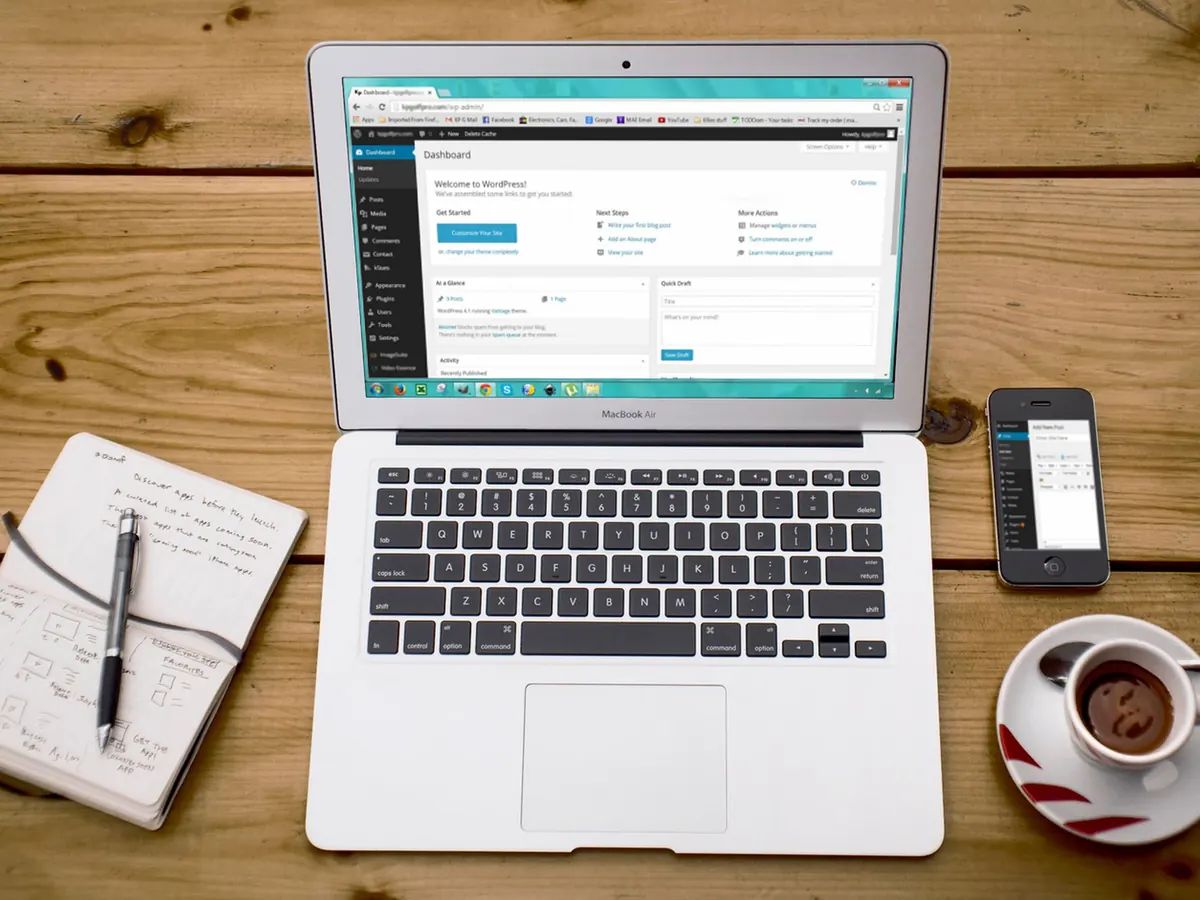
WordPress built around your content, with an admin your editors find easy and none of the weight a marketplace template carries.
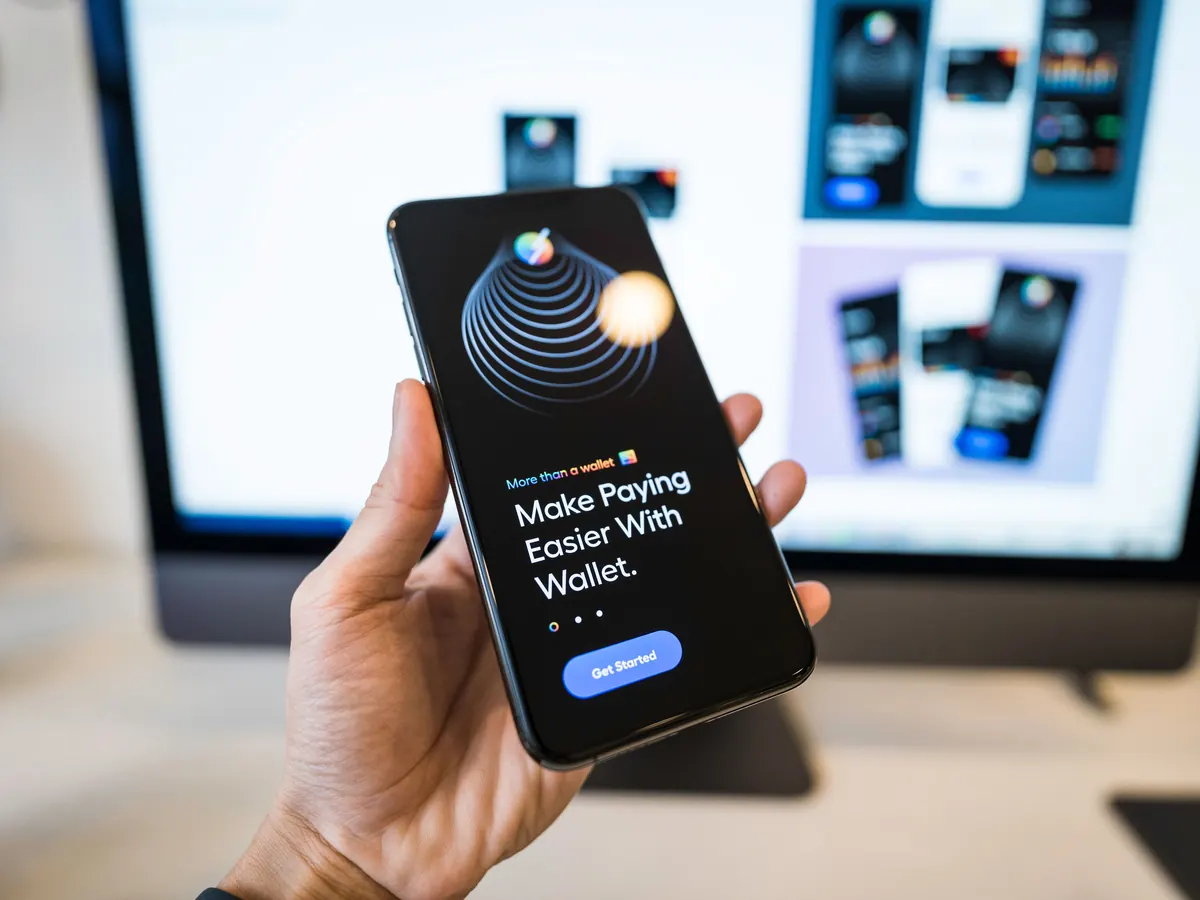
iOS and Android apps taken from concept and design through store submission, with support once real users arrive.

CRM software and internal tools built around your own sales stages, approvals and reports, not a vendor’s idea of how you should sell.
Our website tiers spell out templates, features and support for each size of build, so you can compare scope before we talk.
Delivery process
You will always know what stage we are in, what is next and what we need from you.
Every project follows a dated milestone plan agreed before work begins, and a staging site lets you review work in progress whenever you like. The eight stages below apply whether we are designing a website, building a CRM or preparing an app for the stores; only the depth of each stage changes.
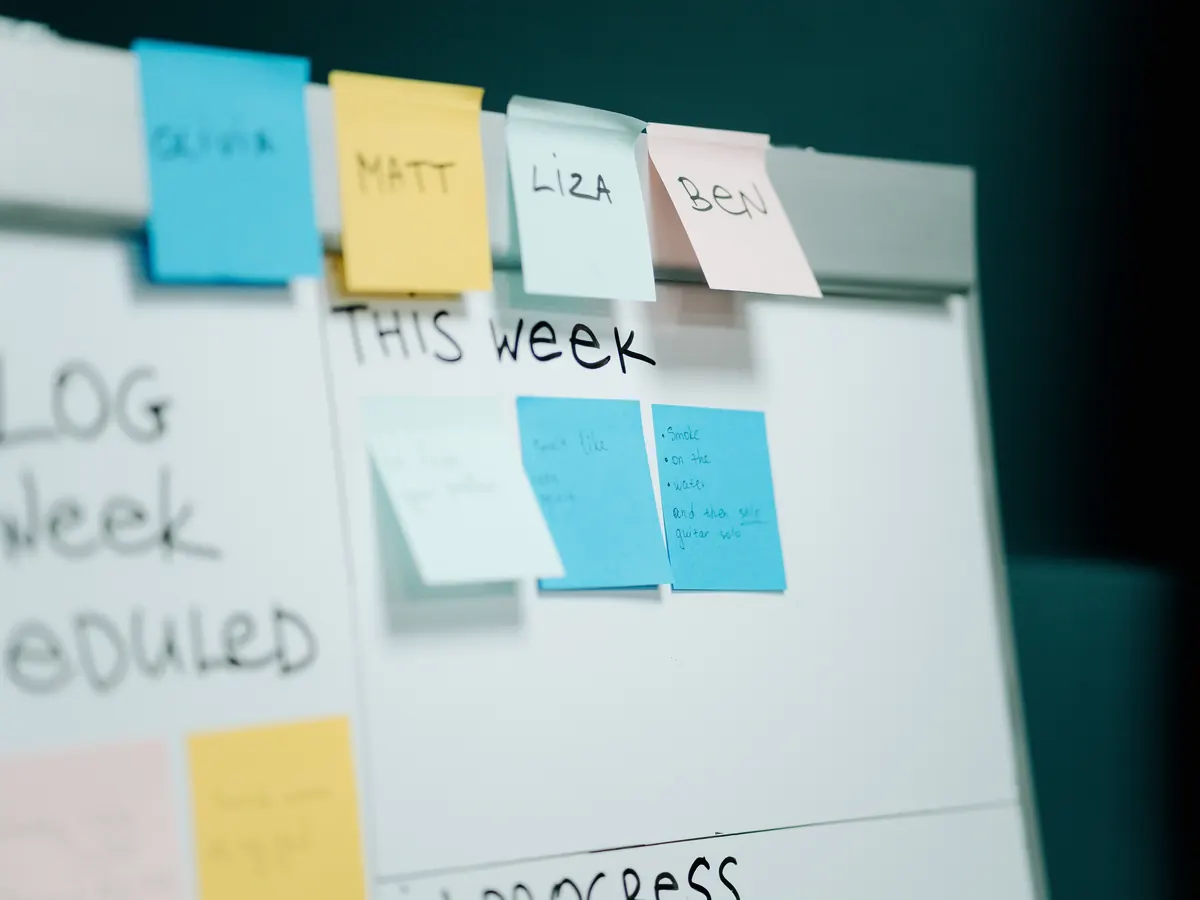
Stakeholder interviews, a competitor review and a clear record of your goals, users and must-have features.
A documented scope with success metrics attached, plus the sitemap, platform choice and a milestone plan.
User flows and low-fidelity wireframes for every template, agreed before any visual design begins.
High-fidelity Figma designs with a shared component library, reviewed in consolidated feedback rounds (the number depends on your package).
Sprint-based build on a staging site, so progress is visible long before launch day.
Cross-browser, cross-device, accessibility, performance and security testing, with issues tracked on a shared bug board.
Migration, redirect mapping, analytics verification and training for the people who will run the site.
A free support window after launch, sized to your package, with optional maintenance plans after that.
Our standard
Before we hand over any build, it has to clear the same checklist, with nothing quietly deferred to a “phase two.”
Page weight is budgeted from the first design, and the finished build is measured against Google’s Core Web Vitals thresholds on a mobile profile.
Built to WCAG AA guidelines: every control works from a keyboard, screens are checked with a screen reader, and text meets contrast requirements.
Clean semantic markup, structured data, XML sitemaps and correct canonical tags, so search engines can crawl and understand every page.
SSL, security headers, input sanitization, dependency checks and automated backups are set up during the build and verified before handover.
Layouts are tested on real devices, from 320px phones to ultrawide displays, so pages stay readable and usable at every screen size in between.
You get a handover walkthrough, recorded training and admin documentation, so your team knows how to run the site from its first day live.
Technology
Chosen per project against your team’s capability and your roadmap, never because it is fashionable.
FAQ
Timelines, phones and search engines, ownership, and what happens once your project is live.
It depends on scope. A focused brochure or corporate site typically takes four to six weeks from approved design to launch. An online store usually runs eight to twelve weeks, depending on catalog complexity and integrations. Custom web applications and CRMs are scoped individually, and most take between twelve and twenty weeks.
Either way, you get a dated milestone plan before work starts. Mobile app timelines are covered on our app development page.
Yes. Layouts are planned for small screens from the first wireframe, and every template is tested on phones and tablets as well as desktops before launch. Readable text, comfortable tap targets and quick loading on mobile connections are part of the specification from the start.
On the technical side, yes. Clean URLs, semantic markup, structured data, an XML sitemap and correct canonical tags are in place on launch day, and page speed is checked before handover. Rankings are a separate question: they depend on your content, your competition and the work that continues after launch, which is where our SEO services come in.
Yes. The websites we build come with a content management system your team can actually use, plus recorded training and written documentation. We deliberately avoid setups that make you depend on us for routine edits.
Yes. Redesigns and moves between platforms are a regular part of our work. On any redesign, protecting the search visibility you already have is a core requirement: redirects and search performance are planned before launch and checked after it to keep disruption to a minimum. Our web development page explains how migrations are handled.
You do. When the final invoice is paid, the source code, design files, documentation and the logins for your domain and hosting accounts all pass to you, and no proprietary license ties you to us afterward.
A free support window starts at handover, so bugs and gaps against the agreed scope are fixed at no cost. How long it lasts depends on the package, and our web development packages list it for each tier. After that, maintenance plans and managed hosting are available but entirely optional; we are just as happy to deploy to your own infrastructure.
Often, yes. We can take on design only, front-end only or a specific module, or work as an extension of your team inside your sprint cadence, with code reviews and shared repositories. Tell us where the gap is and we will scope the work to fill exactly that.
Send us the brief, or just the idea. We will reply with an honest view of scope, timeline and cost, and tell you which of our services the project actually needs.